the song remains the same
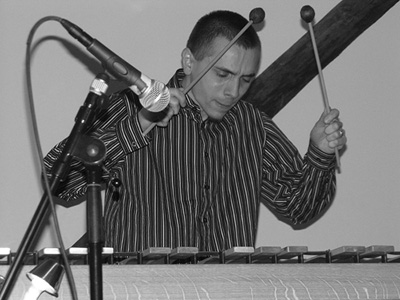
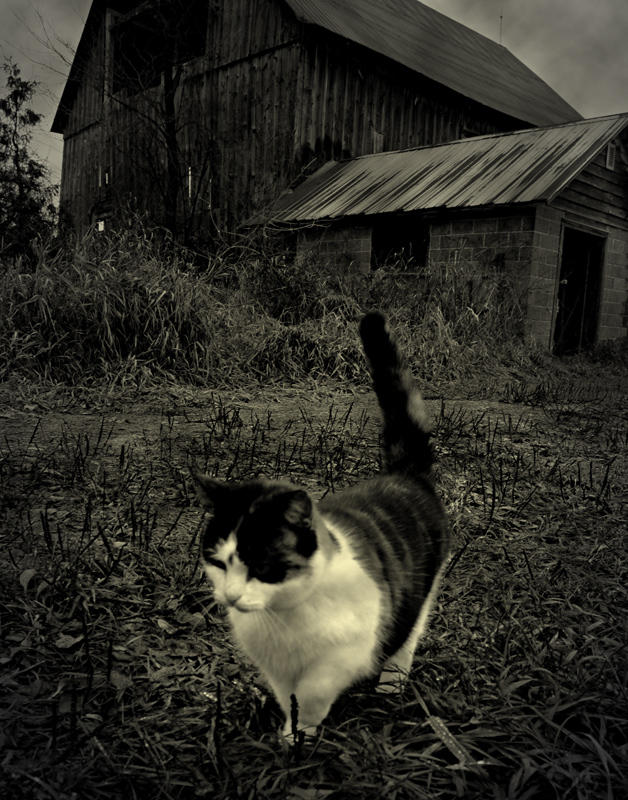
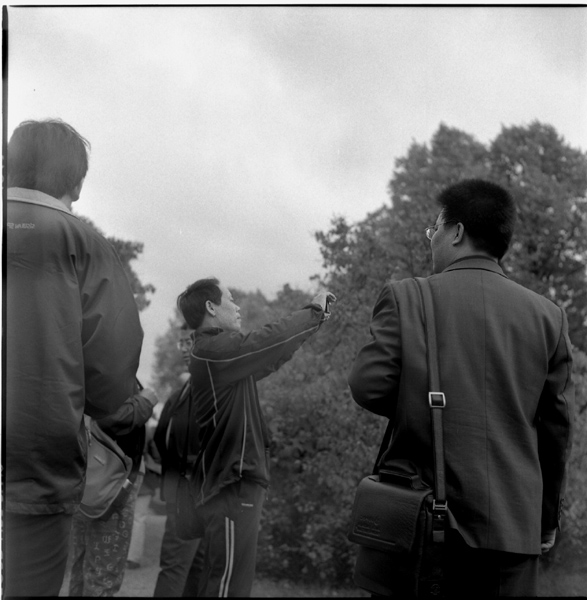
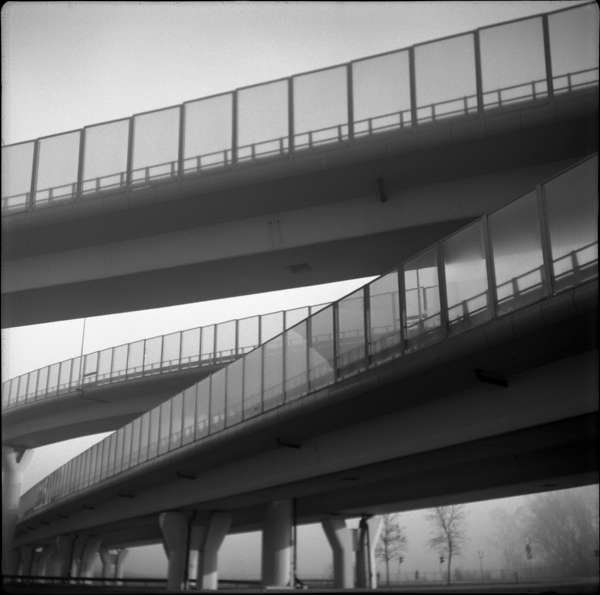
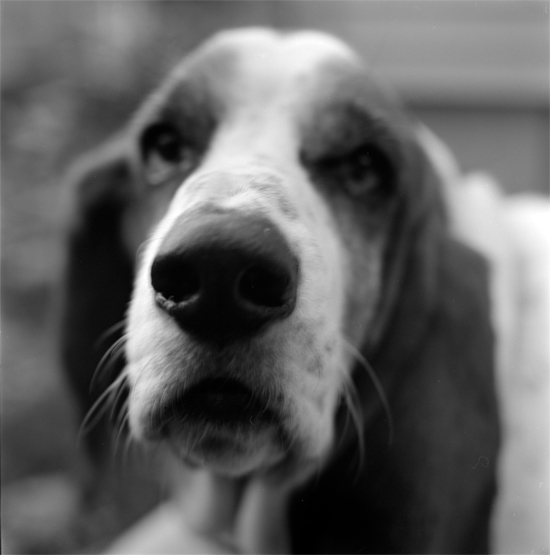
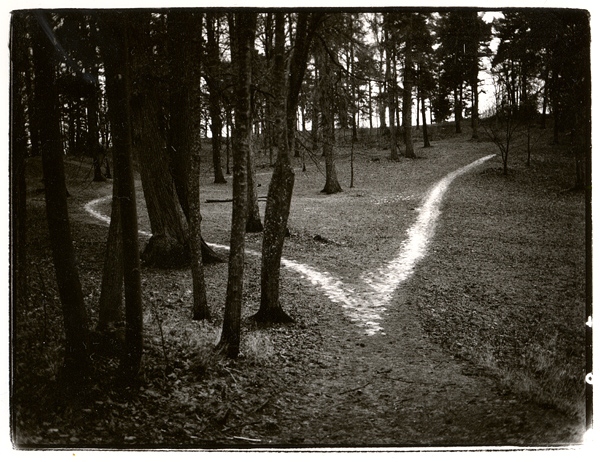
photo: Christofer Grandin
The camera is an instrument that teaches people how to see without a camera / Dorothea Lange
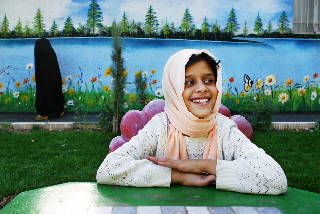
I´m proud to present Sanna Sjöswärd who recently have given out a book called Roots and that also have a exhibition with the same name at Kulturhuset in Stockholm. The exhibit made a great impact on me and I strongly recomend you to go and see it and you can also take a look at her homepage http://www.sannafoto.se/ were you also can order her book.
Here are her own words:
The photograph of the steps of the Childrens Home is etched in my memory. But the only details I can remember are the red jacket, the white pantyhose and the black polished heeled shoes that I had been given by my adoptive parents. The girl is four years old. She is waiting to be fetched by someone, saved by someone. I am only a child. Though adult in a way. I had learned how to fold clothes and not to spill when eating.
I was born in Teheran 1973 and christened Farzaneh. In Persian that means wise. It was not possible for my biological mother, Sedighere, to take care of me on her own. When I was a few months old I was handed over to the Farah Diba-foundation home for children. My biological parents were in the process of separating and they already had two children, my sisters Faranoz and Leila.
Mother told me today that when I was born, I did little other than eat and sleep. And that I was a very fat baby.
At the Childrens Home I was told that my mother visited me every day until I was 11 months old. The visits ceased from that time on and nobody knew why.
According to Iranian law a child can not be lawfully adopted before three years have passed. This was the reason I was four years old before I could leave the Childrens Home The Lion and the Sun and emigrate to Sweden. I was by then, in 1977, the oldest child in the Childrens Home.
I grew up in a middle-class area in Lidingö. During my upbringing, I often wondered about my biological roots. In my fantasy I imagined my mother was a Persian princess. I knew that she was tall, had long black henna-dyed hair and had green eyes, for I had seen her on TV. Sometimes I stood before the mirror with a sheet around my head and tried to imagine that we were alike.
Invited by Mikael Jansson
DADA remains within the framework of European weaknesses, it's still shit, but from now on we want to shit in different colours so as to adorn the zoo of art with all the flags of all the consulates.
We are circus ringmasters and we can be found whistling amongst the winds of fairgrounds, in conventions, prostitutions, theatres, realities, feelings, restaurants, ohoho, bang bang.
TRISTAN TZARA, from 'Monsieur Antipyrine's Manifesto', 1916
Alfred Stieglitz published the legendary journal Camera Work
between 1903-1917.The journal played an important part in the
history of photography and reflects a turning point - from pictoralism
to modernism. Bearing in mind the terrible suffering affecting millions
of people during the World War I it was almost a necessary shift;
World War I brought the end of Pictorialism as an innovative force in
photography. Many of the leading artists in the movement were wealthy
amateurs, and the contented, bourgeois world view embodied in the style
was no longer tenable in the face of the horrors of that conflict.
/Charles Hagen NYT, october 27 1992.
Read more interesting stuff about Camera Work
-urbano
"Any dodge, trick and conjuration of any kind is open to the photographer's use.... It is his imperative duty to avoid the mean, the base and the ugly, and to aim to elevate his subject.... and to correct the unpicturesque....A great deal can be done and very beautiful pictures made, by a mixture of the real and the artificial in a picture."
Henry Peach Robinson
"Pictorial Effect in Photography" (1867)
Read full article by Robert Leggat, 1999
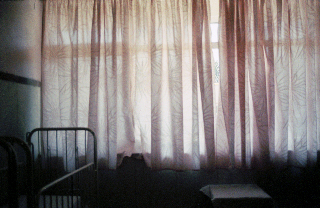
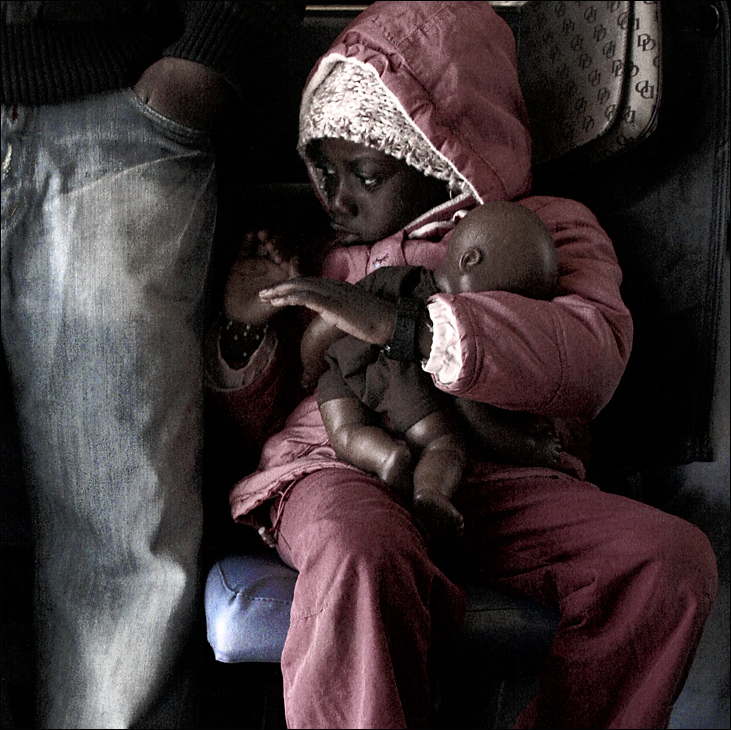
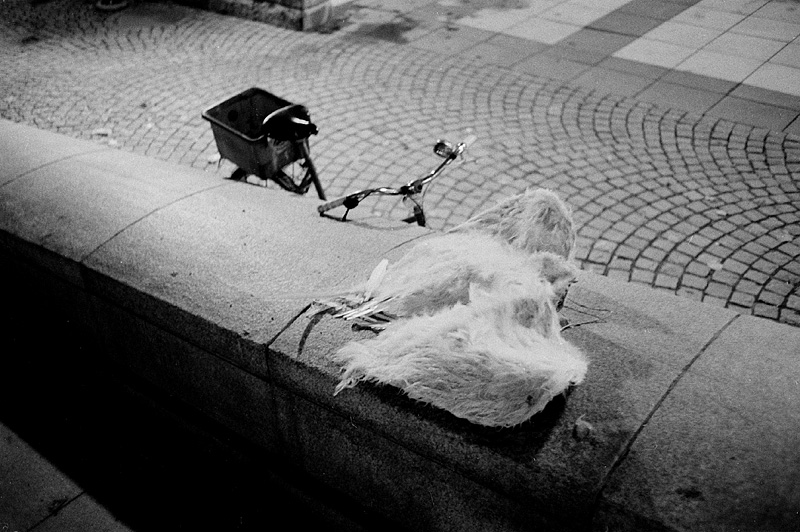
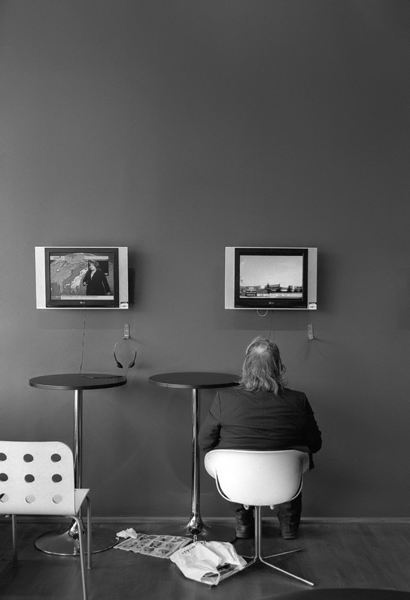
”I’m always looking for presence. Whenever I try, my doubts get unmasked. Easier then to stick with absence. I’m not trying to prove anything. I dont have that many memories yet.” (JH Engström 2004)
If you ask me, JH Engström is one of the most interesting photographers in contemporary Sweden. His books Trying to dance (2004) and Haunts (2006) are very interesting, intimate and fascinating. I strongly recommend them. Now I am happy to have the possibility to present JH Engström and six of his pictures on The F Blog.
From: Trying to dance


From: Haunts


Exhibitions, homepage and film
During November and December you have the possibility to see JH Engström’s pictures in Stockholm and Brussels:
Haunts, exhibition at Fotografins Hus, Stockholm, until 31 December 06.
Genre Humain, groupexhibition at Contretype, Brussels, until 23 December, 06
New series, exhibition at Milliken Gallery, Stockholm, until 23 December 06.
Besides the exhibitions the premier of JH Engström’s film about the photographer Anders Petersen take place on Orionbion in Stockholm, 20 November 2006. Please also visit JH Engström’s homepage.
Invited by Fredrik Skott.
These are good:
Of course, there will always be those who look only at technique, who ask "how," while others of a more curious nature will ask "why." Personally, I have always preferred inspiration to information.
We asked him whether we could quote him. "Quote me as much as you like; as a matter of fact I don’t even mind if you misquote me !" -Man Ray, [ 9 Days of Photokina "Man Ray on the Future !" An Interview by Ed Hirsch & Ben Zar, Popular Photography, January 1967, Volume 60, No. 1, p. 99]
What type of camera do you prefer to work with ? "None ! I have to modify them all. My cameras are all of my own design. I take lenses apart and put them together again and put them on cameras that were not meant for them." -Man Ray, [ 9 Days of Photokina "Man Ray on the Future !" An Interview by Ed Hirsch & Ben Zar, Popular Photography, January 1967, Volume 60, No. 1, p. 99]
-from photoquotes.com
/urbano