24 November 2006

invited guest: Joakim Ahnfelt

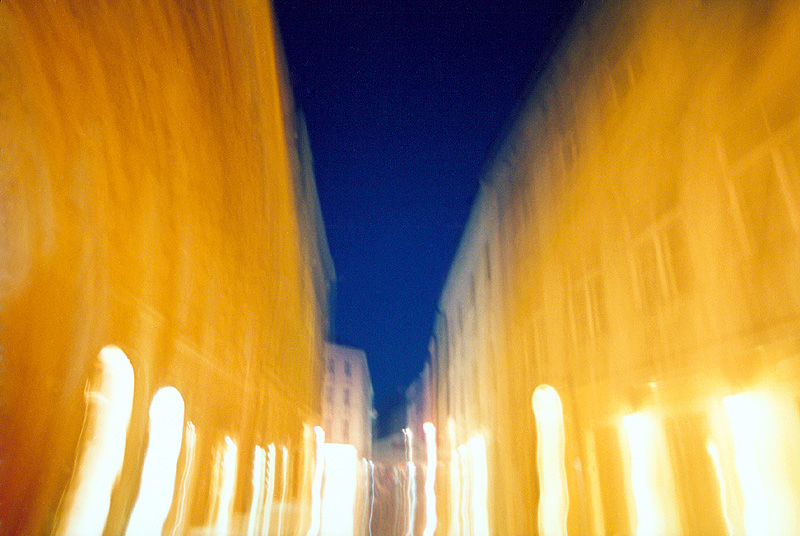
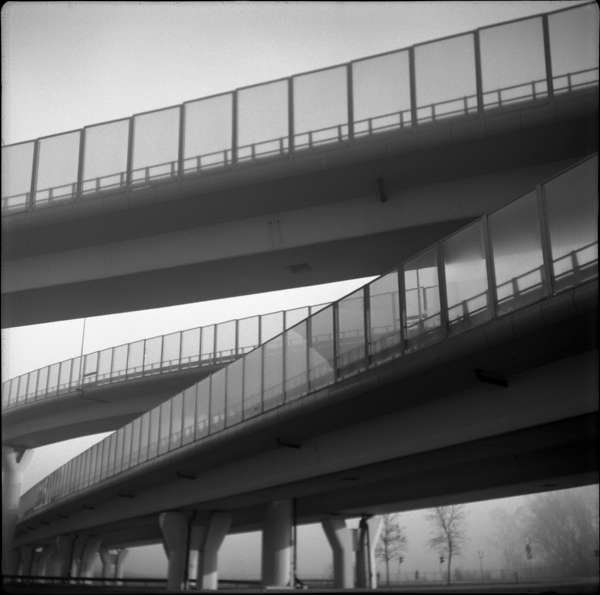
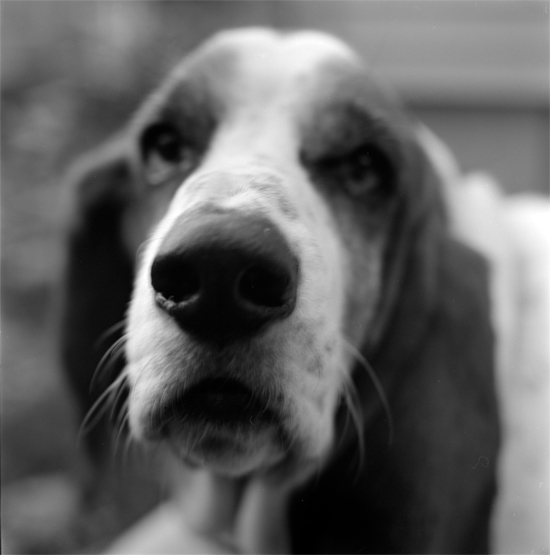
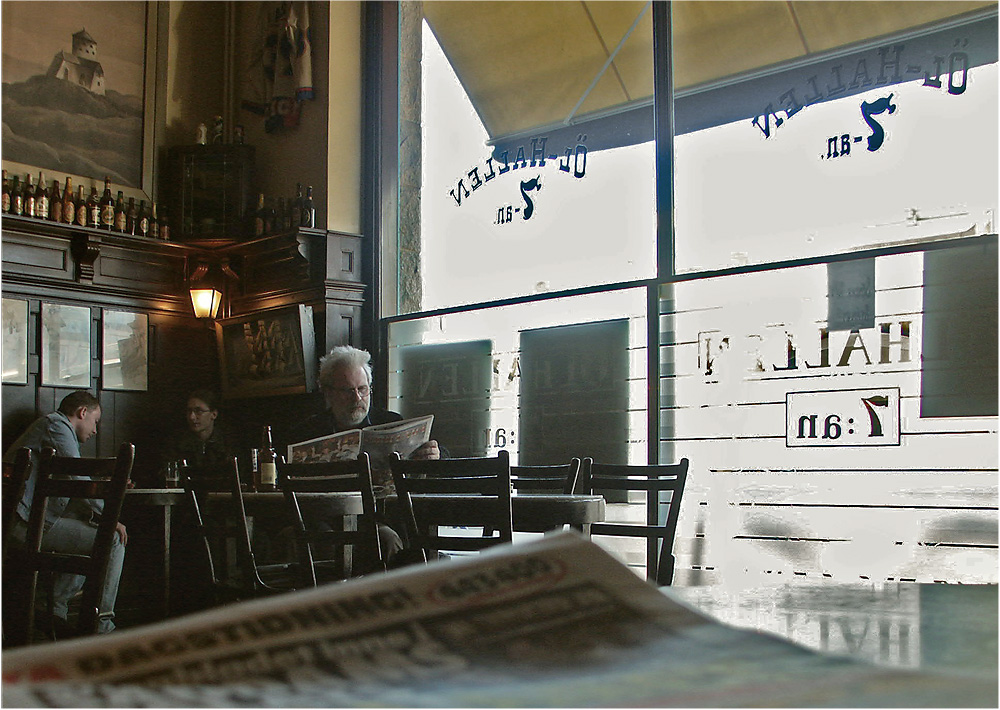
I think that Joakim Ahnfelt’s serie Est Deus In Nobis is really fascinanting and is very happy to have the possibility to show it on The F Blog. About the serie Joakim says:

What if.
What if everyday objects suddenly got blessed with divine inspiration? Or
should we say possessed?
What would they do?
Where would they go?
What would whey do once they got there?

Est Deus In Nobis is a series trying to explore an act of defiance against
the laws of nature. The main part of the pictures was created during two
hectic spring months in 2001. Occasionally this project get revisited...

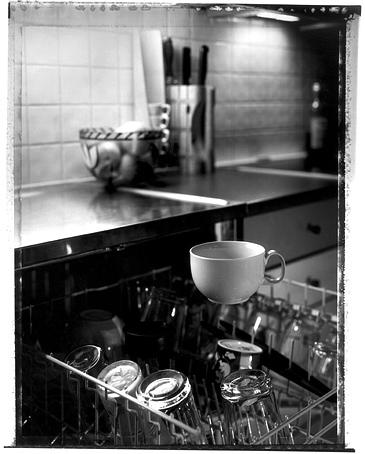

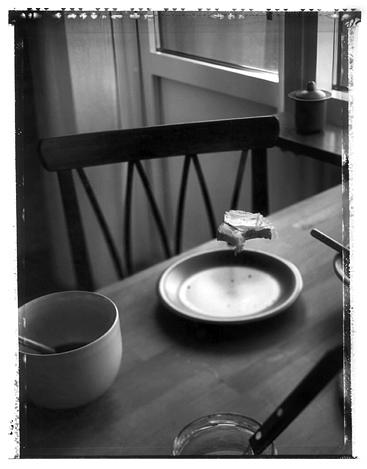


Tech note: No pixels where tweaked, rearranged or harmed in any way. It's
all done the hard way. See more at this adress: "www.flickr.com/photos/52539789@N00/".
Invited by Fredrik Skott.

On the Street Where You Live


photo: Jeanne Wells
my idea of street photography.

Marcel Duchamp

[Joseph Stella and Marcel Duchamp], 1920 / Man Ray, photographer.
1 photographic print : b&w ; 26 x 21 cm. Rudi Blesh papers,
1909-1983.
Archives of American Art.

If you read my post about "Francis Picabia and 391" you probably
also saw the name
Marcel Duchamp on the cover of an issue of
that periodical. Here he is with painter
Joseph Stella. Both men
are worth a special chapter, but for now I will just make a remark
about the photographer with birthname Emmanuel Radnitzky, but
known to the world as Man Ray.


"In New York, Ray met and worked with the French artist
Marcel Duchamp and Francis Picabia from Spain, forming the
core of the New York Dada movement whose centre was
Alfred Stieglitz's gallery '291'."
read full article at
about: photography.com

Well, it seems like we are getting somewhere? Or what do
you think? I will definitely come back to Man Ray later on.
Among others.

Another friday


23 November 2006

Manuel Álvarez Bravo

Manuel Alvarez Bravo
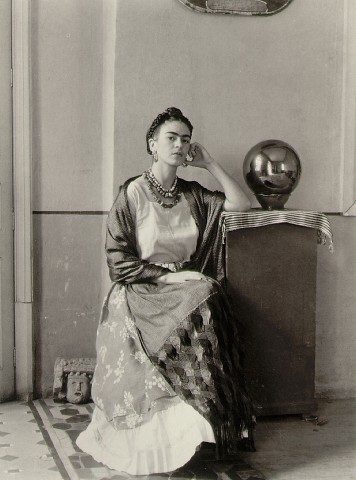
Frida Kahlo in Manuel Alvarez Bravo's Studio
1930s

courtesy of Masters of Photography

The Mexican photographer Manuel Álvarez Bravo was in my view one of the true masters of the 20th Century. His portrait of Frida Kahlo is a classic, but his main contribution was the pictures of ordinary people in everyday life situations. Here are some samples from his rich production and at about photography you will find a biography of this great, fascinating man.

Invited guest: JP Zorn

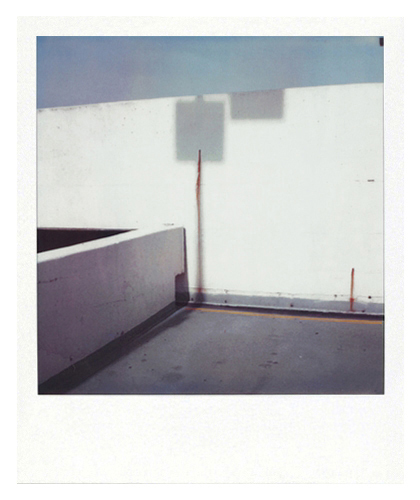
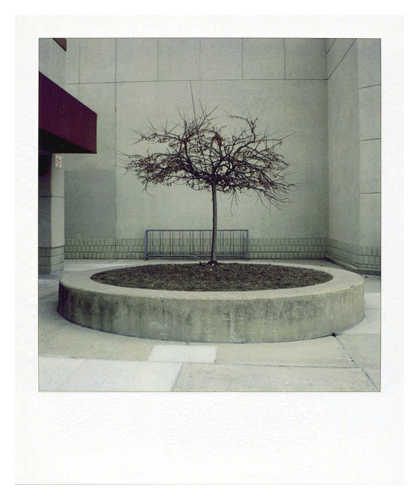
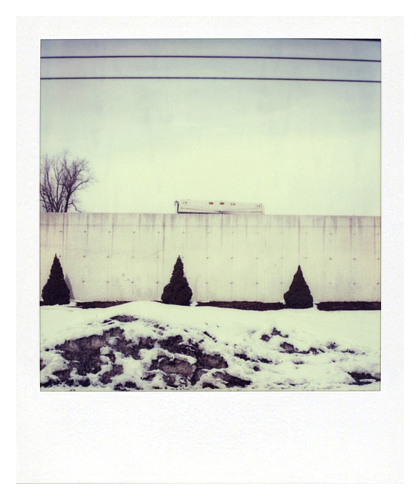
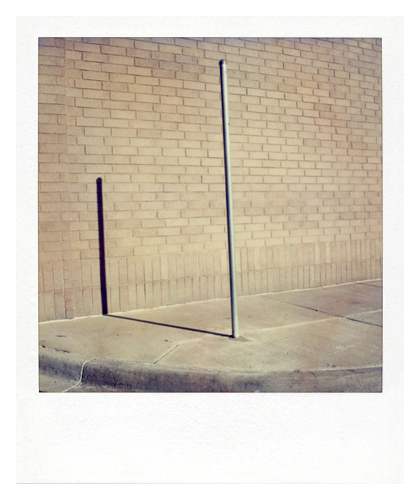
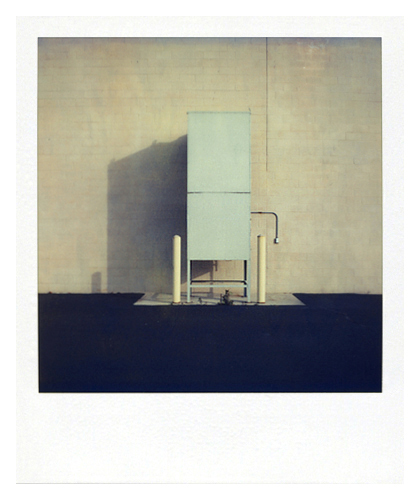
Running around on the internet you stumble on lots and lots of photographs. Some of them you forget the same time you click on the next one but some gets stuck in your mind. These polaroids by JP Zorn I found on www.photoseen.com along time ago and I've revisited them several times. It's an honour to be able to invite JP as a guest here at the F Blog.
Invited by Markus Andersson

Garry Winogrand once said: "I photograph to find out what something
looks like photographed."


Taking polaroids is an act very much in the
spirit of that credo. These pictures were taken with a Polaroid SX-70 camera and a Polaroid 680 SLR using Polaroid Time-Zero and 600 film between the fall of 2003 and the winter of 2006. They are part of a series that recorded suburban scenes and spaces and things around where I live. They are concerned with light and shape and color as well as the lives of objects. They come out of the tradition of documentary photography but, in the end, are simply personal.

Polaroid discontinued the production of Time-Zero film in the first quarter of 2006. Since then I have been taking landscape pictures using a Holga camera.

/JP Zorn


Francis Picabia and 391

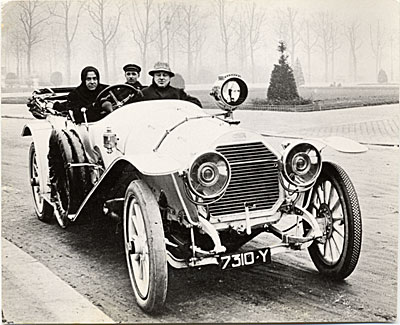
[Francis Picabia, unidentified man (possibly a chauffeur), and André Roosevelt, Paris, winter], between 1912-1913 / unidentified photographer. 1 photographic print : b&w ; 20 x 24 cm. Adelheid Lange Roosevelt papers, 1955-1959. Archives of American Art.

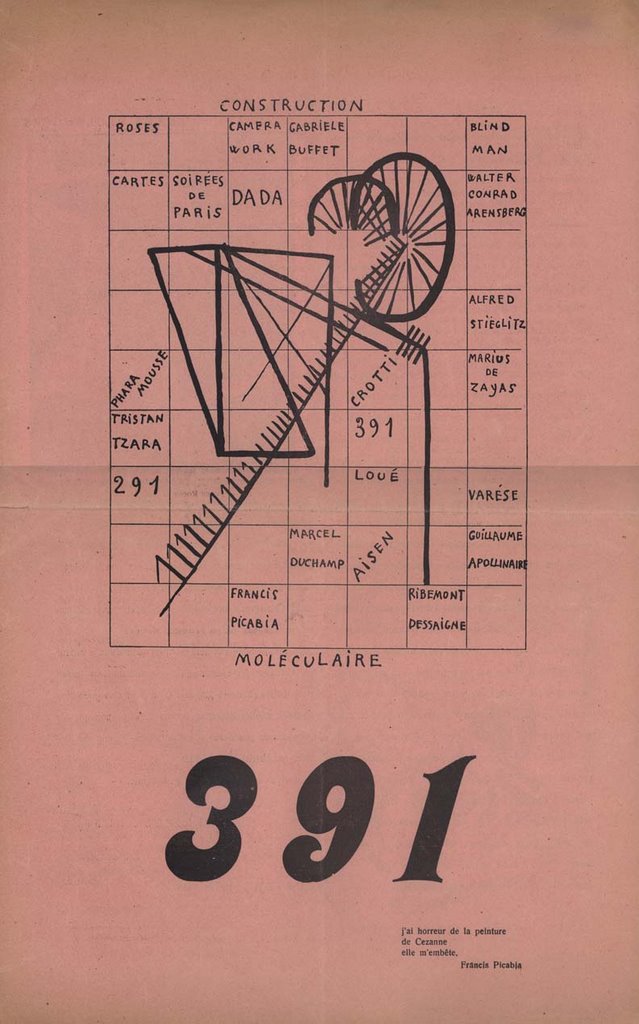
He was a remarkable man Francis Picabia. Read more about him here and here. Notice the relation to Camera Work and gallery 291 demonstrated on this cover from the Dada periodical 391.


391. Edited by Francis Picabia. Barcelona, New York, Zurich, Paris, 1917-1924. 19 Numbers.
scan courtesy of International Dada Archive

I eat cat´s for breakfast


Photo: Gordon Flash

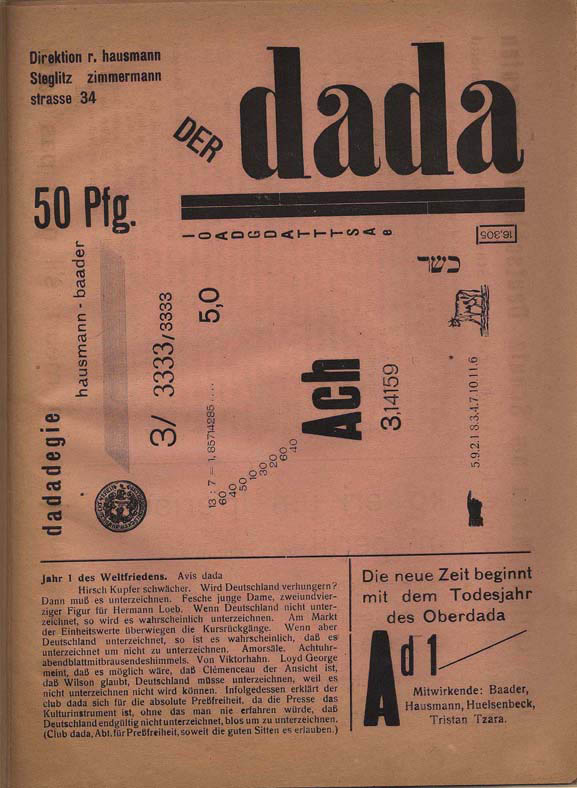
every man must shout:

there is great destructive, negative work to be done. To sweep, to clean. The cleanliness of the individual materialises after we've gone through folly, the aggressive, complete folly of a world left in the hands of bandits who have demolished and destroyed the centuries. With neither aim nor plan, without organisation: uncontrollable folly, decomposition."
/from Dada manifesto, 1918


Cover from Der Dada no 1. Edited by Raoul Hausmann, John Heartfield, and George Grosz. 1919-1920. 3 Numbers. scan courtesy of International Dada Archive

Haha, the cats have taken over the keyboard!!


From now on, there will only be cat pictures on this BLOG. Muahahaha!

/Isis helped by Ramses

invited guest: Peter Burda

Peter Burda is perhaps most creative photographer I know. He bravely plays
with convencies and techniques, feeling well in classical B&W portrating
(circus people series), night photography (english nights) and picturesque,
surreal landscaping. His work doesn't allow to give him a stable lable and
put him into certain drawer. His photographic motto is:
I photograph,what
I don't see. what I see, I don't photograph.


Peter has no formal photographic education, but he is fully devoted to
photography.He lives in a small village Mlynica in Slovak Tatra mountains.
He exhibited in Slovakia, Poland and France. Recently his work was
presented by major Polish magazine Fotografia


I am grateful Peter agreed to share his work with F blog.


english nights: 24#50


how an angel learns to fly: lesson 6

circus people/humberto: humberto #5


landscapes: about small boy in the big city

chat: chatroom2#1
More you will find here


Invited by Marcin Górski


Alfred Stieglitz and 291

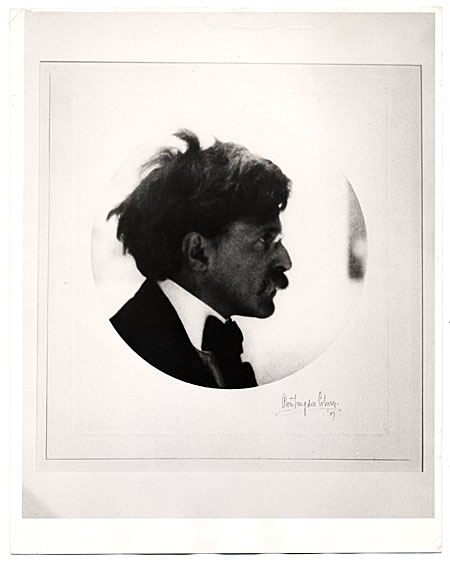
[Alfred Stieglitz], ca. 1907 / Alvin Langdon Coburn, photographer.
1 photographic print : b&w ; 36 x 28 cm. Miscellaneous photograph
collection.
Archives of American Art.

Alfred Stieglitz´s Photo-Secession gallery at 291 Fifth Avenue,
New York opened 1905 and existed until 1917 as a major force
to promote photography, painted art and sculpture to
a sometimes
not too impressed audience. Here is what a critic wrote about
Pablo Picasso
the Spanish painter who was introduced for the first
time in USA at "291":


"Any sane criticism is entirely out of the question; any serious
analysis would be vain. The results suggest the most violent wards
of an asylum for maniacs, the craziest emanations of a disordered
mind, the gibberings of a lunatic!”
/Arthur Hoeber in the New York Globe

Other artists seen at "291" were Matisse, Cezanne and Rodin.
Stieglitz had good help from his associate Edward Steichen who
often travelled to Europe.


There is a lot of interesting stuff to be found on the net about 291
and Stieglitz.
I recommend:
- Alfred Stieglitz and Gallery 291 A Modern Art Revolution Before the
Armory Show
by Brooke Schieb
- Alfred Stieglitz and his New York Galleries From National Gallery of Art
- Alfred Stieglitz from Masters of Photography
- Documentary about Stieglitz made by PBS (American Masters)


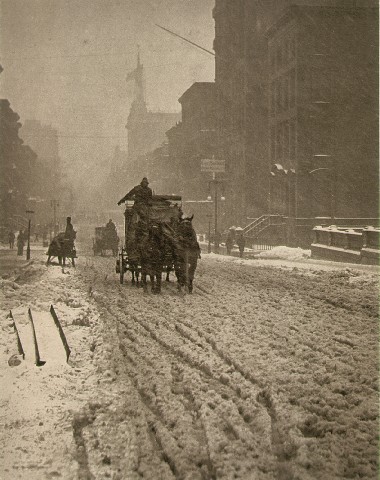
Alfred Stieglitz
Winter on Fifth Avenue, New York
1893
scan courtesy of Masters of Photography

Adinkra symbolism


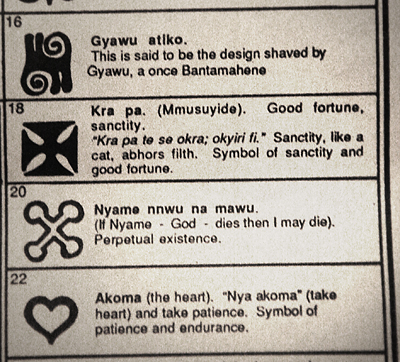
The Adinkra symbol language is found on ornamental cloths and textile, often worn as clothes by ordinary modern Africans. It was founded mainly within the Asanthe tribes in Ghana in West Africa.
This picture is from a poster I bought personally in Ghana, filled with the symbols. A bit dissappointed, a quick google on this turns up perfect dictionaries of the symbols. I prefer my poster.
Actually go read some of the symbols on the dictionary. It is quite interesting to find symbols for what we in Western society find as opposites, instead being married into one symbol - actually having a symbol and a language for the tension between different opposites. To me it shows a rather nuanced and complex society. Some examples are 'DWENNIMMEN', 'ESE NE TEKREMA', 'WO NSA DA MU A'. The culture really shows in the language. :)
I can really recommend travelling to Ghana, it is a most friendly and wonderful country!

the song remains the same


Not a visualisation of the Led Zeppelin song really, but this gone summer I have listen more to that then anything else, it has been in my blood for a while.Songs like: Going to California, Dazed and Confused, Ramble on and No Quarter...
Led Zeppelin has that effect on me, in periods I almost don't listen to anything else, then I get fed up. And I ramble on.

photo: Christofer Grandin

22 November 2006

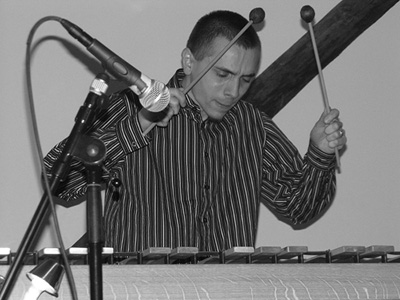
gruppo F inbox: jazz

Photo: Ulla Larsson
a great musician from Poland playing in a group with Swedish musicians
- Winterjazz, January 2005, Uppsala

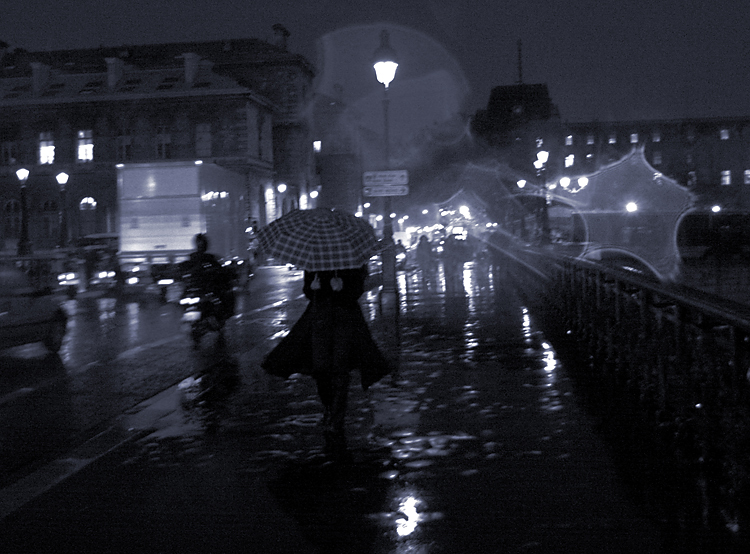
Cape in Paris


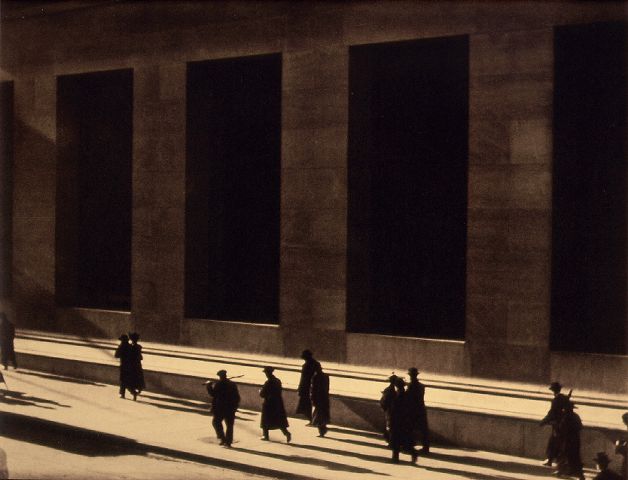
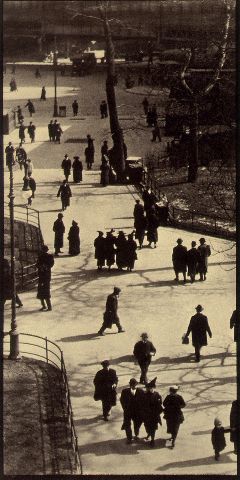
Paul Strand

Photo: Paul Strand, Wall Street 1915

Photo: Paul Strand City Hall Park New York 1915

Both photos scan courtesy of Masters of Photography

"Strand was one of the first photographers to take up the visual problems and approaches which he saw in modern art. By 1915 this was showing clearly in his work, with an interest in geometrical forms, patterns, rhythm, space and the division of the frame; the pictures were like a knife cutting through the butter of Pictorialism. Stieglitz greeted this with enthusiasm, showing it in the gallery and making it the feature of the final issues of Camera Work."

read full article at photography.about.com

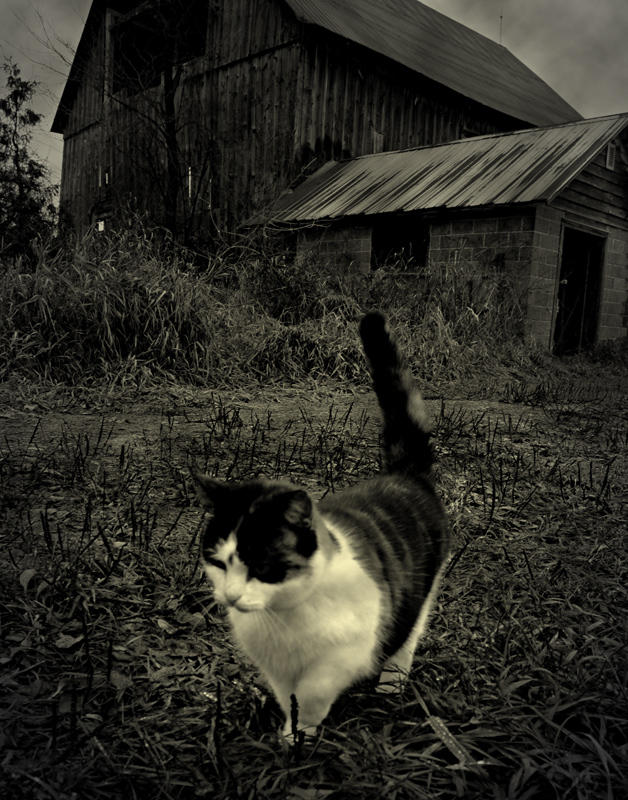
F cat (Canadian)


Photo: GC

Invited guest: Sanna Sjöswärd

I´m proud to present Sanna Sjöswärd who recently have given out a book called Roots and that also have a exhibition with the same name at Kulturhuset in Stockholm. The exhibit made a great impact on me and I strongly recomend you to go and see it and you can also take a look at her homepage http://www.sannafoto.se/ were you also can order her book.

Here are her own words:

The photograph of the steps of the Childrens Home is etched in my memory. But the only details I can remember are the red jacket, the white pantyhose and the black polished heeled shoes that I had been given by my adoptive parents. The girl is four years old. She is waiting to be fetched by someone, saved by someone. I am only a child. Though adult in a way. I had learned how to fold clothes and not to spill when eating.
I was born in Teheran 1973 and christened Farzaneh. In Persian that means wise. It was not possible for my biological mother, Sedighere, to take care of me on her own. When I was a few months old I was handed over to the Farah Diba-foundation home for children. My biological parents were in the process of separating and they already had two children, my sisters Faranoz and Leila.
Mother told me today that when I was born, I did little other than eat and sleep. And that I was a very fat baby.
At the Childrens Home I was told that my mother visited me every day until I was 11 months old. The visits ceased from that time on and nobody knew why.
According to Iranian law a child can not be lawfully adopted before three years have passed. This was the reason I was four years old before I could leave the Childrens Home The Lion and the Sun and emigrate to Sweden. I was by then, in 1977, the oldest child in the Childrens Home.
I grew up in a middle-class area in Lidingö. During my upbringing, I often wondered about my biological roots. In my fantasy I imagined my mother was a Persian princess. I knew that she was tall, had long black henna-dyed hair and had green eyes, for I had seen her on TV. Sometimes I stood before the mirror with a sheet around my head and tried to imagine that we were alike.


Invited by Mikael Jansson


Gruppo F inbox: Change Mix Tapes with Me?


Photo: Lina Nääs
Does anyone want to change mix tapes with me? Reply to lina a/t solfoto.se.

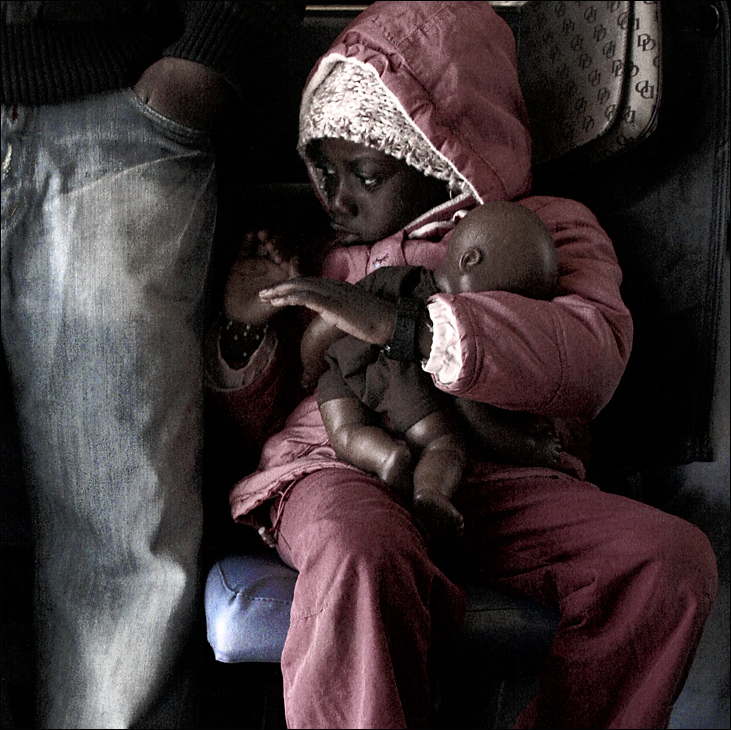
Nursery Rhymes

Snapshot from Paris RER trains.

the zoo of art

DADA remains within the framework of European weaknesses, it's still shit, but from now on we want to shit in different colours so as to adorn the zoo of art with all the flags of all the consulates.
We are circus ringmasters and we can be found whistling amongst the winds of fairgrounds, in conventions, prostitutions, theatres, realities, feelings, restaurants, ohoho, bang bang.

TRISTAN TZARA, from 'Monsieur Antipyrine's Manifesto', 1916

we'll do everything for you

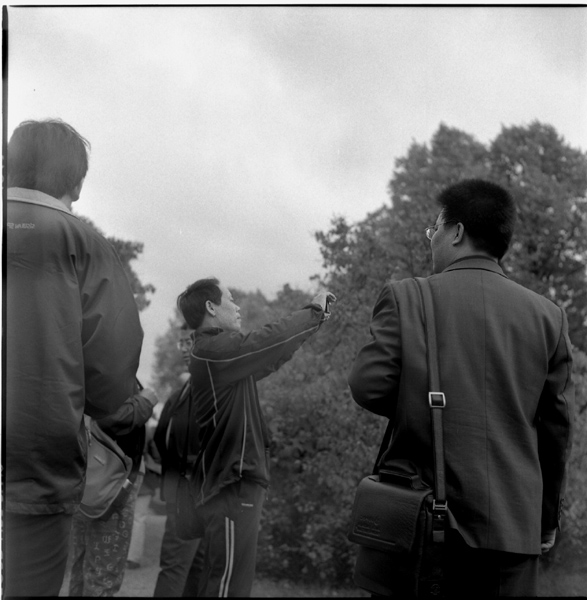
due expressed recenlty wishes of F blog stuff and viewers, to show uknown non European and non American photographers - I am happy to present a group of totally unknown Far East photographers.


gruppo F inbox: good morning Warsaw


photos by Jacek Gąsiorowski

F Cat?????

photo by Jeanne Wells
attitude by Ajax

Cats have very sharp parts, you know . . .